

Quali-Pro
Field notes for better turf
Real lawn. Real tests. The products, methods, and lessons I use to improve my Bermuda grass.
Pre-emergent window
Fall weed prevention is my next lawn project. Plan ahead for your local window, check soil temperatures, and get your application setup ready.
From my garage
My picks for this project. Check the guide and product label for your lawn.
Quali-Pro

FlowZone
Start with your lawn
Follow the fundamentals in sequence, or jump directly to the problem you need to diagnose.
Identify the turf, site conditions, and starting point before changing the program.
Use soil information to make deliberate fertility decisions.
Measure how much water reaches the lawn and adjust for conditions.
Match height and frequency to the grass and its growth rate.
Identify the cause before choosing a control strategy.
Right now: Fall Pre-EmergentBuild repeatable seasonal habits and improve one constraint at a time.
Identify what is growing before choosing a control strategy.
Separate nutrient, water, mowing, and soil causes.
Work through sunlight, soil, water, and growth limitations.
Diagnose scheduling, output, coverage, and drainage.
Compare disease symptoms with other common turf stresses.
Find the source of inconsistent height, density, or color.
What I’m doing this week
This profile is being updated with current photos, measured lawn zones, irrigation settings, and equipment that is actually used on the property.
Open the lawn dashboardLatest field tests
Real questions, documented methods, and honest outcomes—including tests that are still underway.
My Garage
Equipment earns space here through ownership, testing, and practical field work—not a catalog slot.
Popular Guides
Practical instructions organized around measurement, repeatable processes, and what the turf is actually doing.
My Lawn
Front and back lawn zones, current status, irrigation settings, equipment, and the program behind the results.
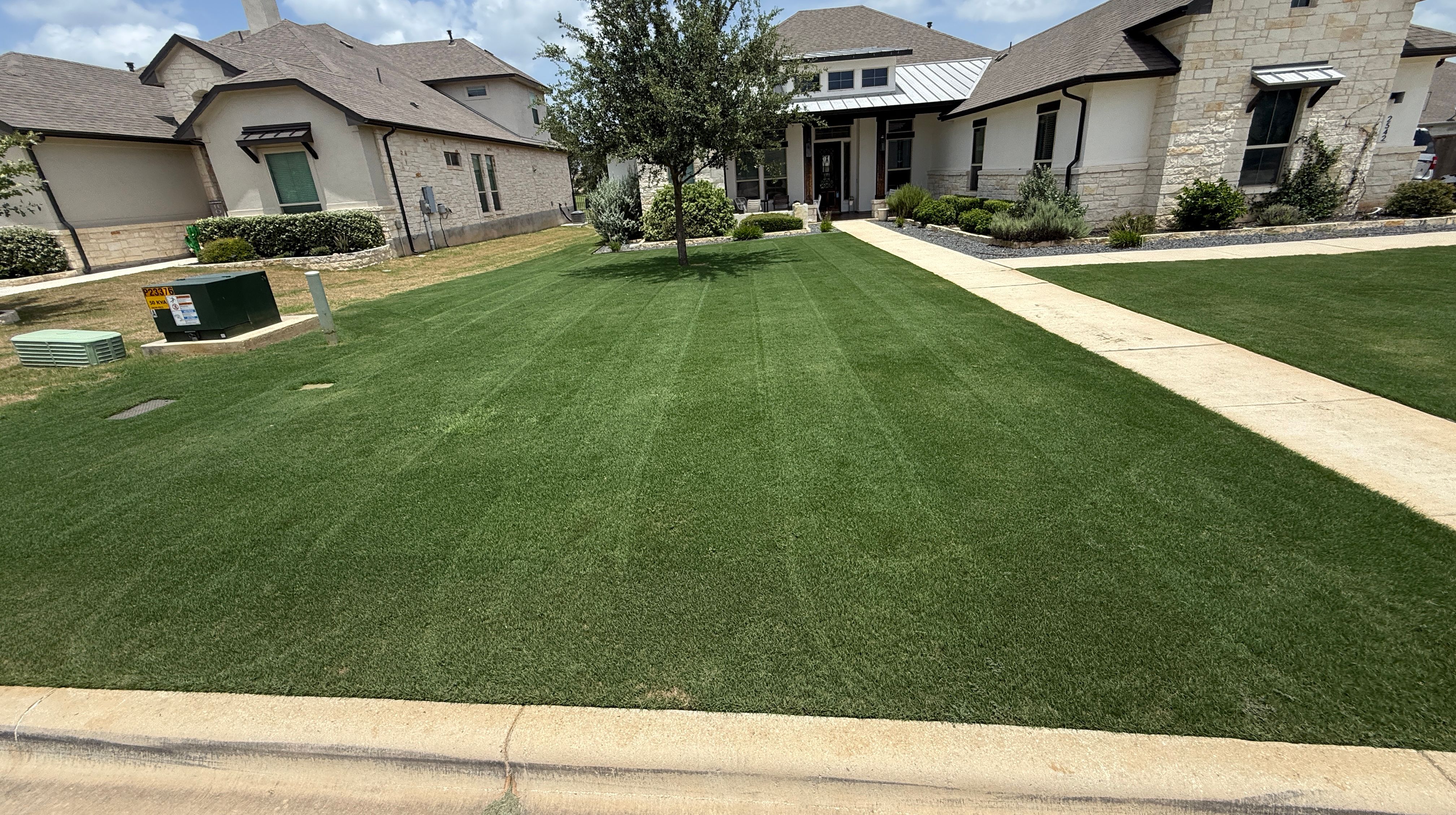
The public-facing lawn zone, documented separately so its conditions, program, photos, and current work stay clear.
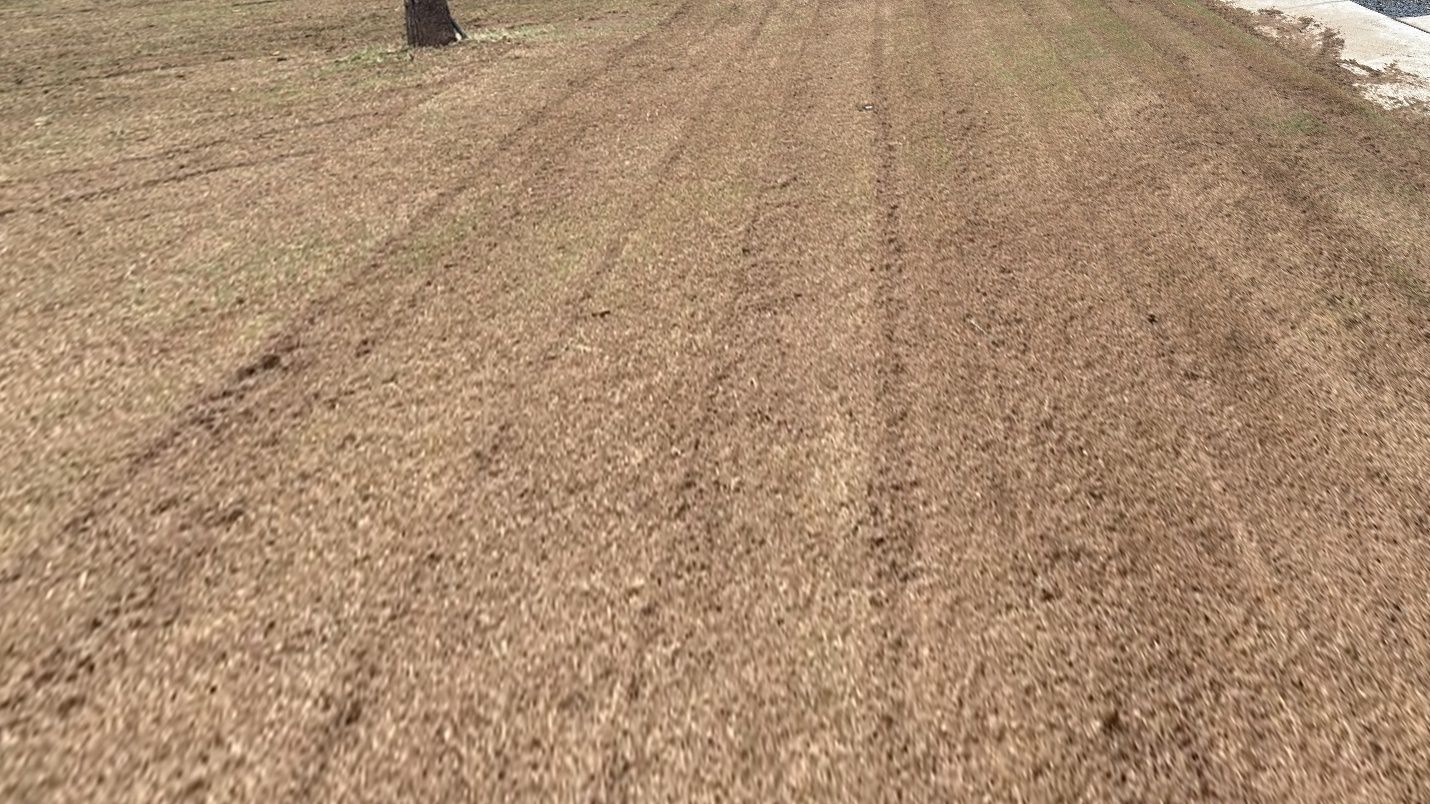
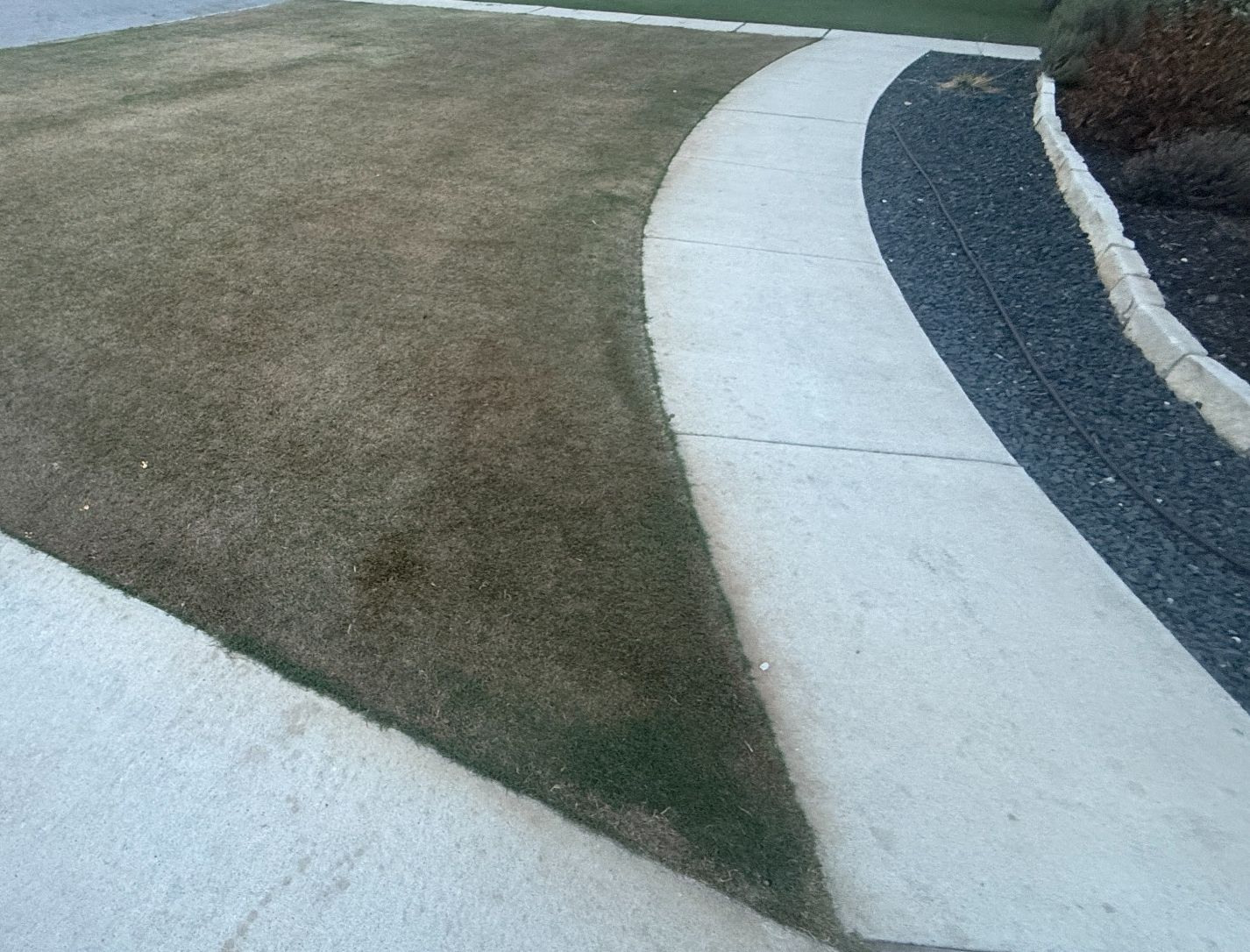
Currently I'm under a scalp reset after a month of drought. I'm counting on rain to help with my irrigation bill while I undergo this scalp reset to restore a golf course thick carpet by fall.
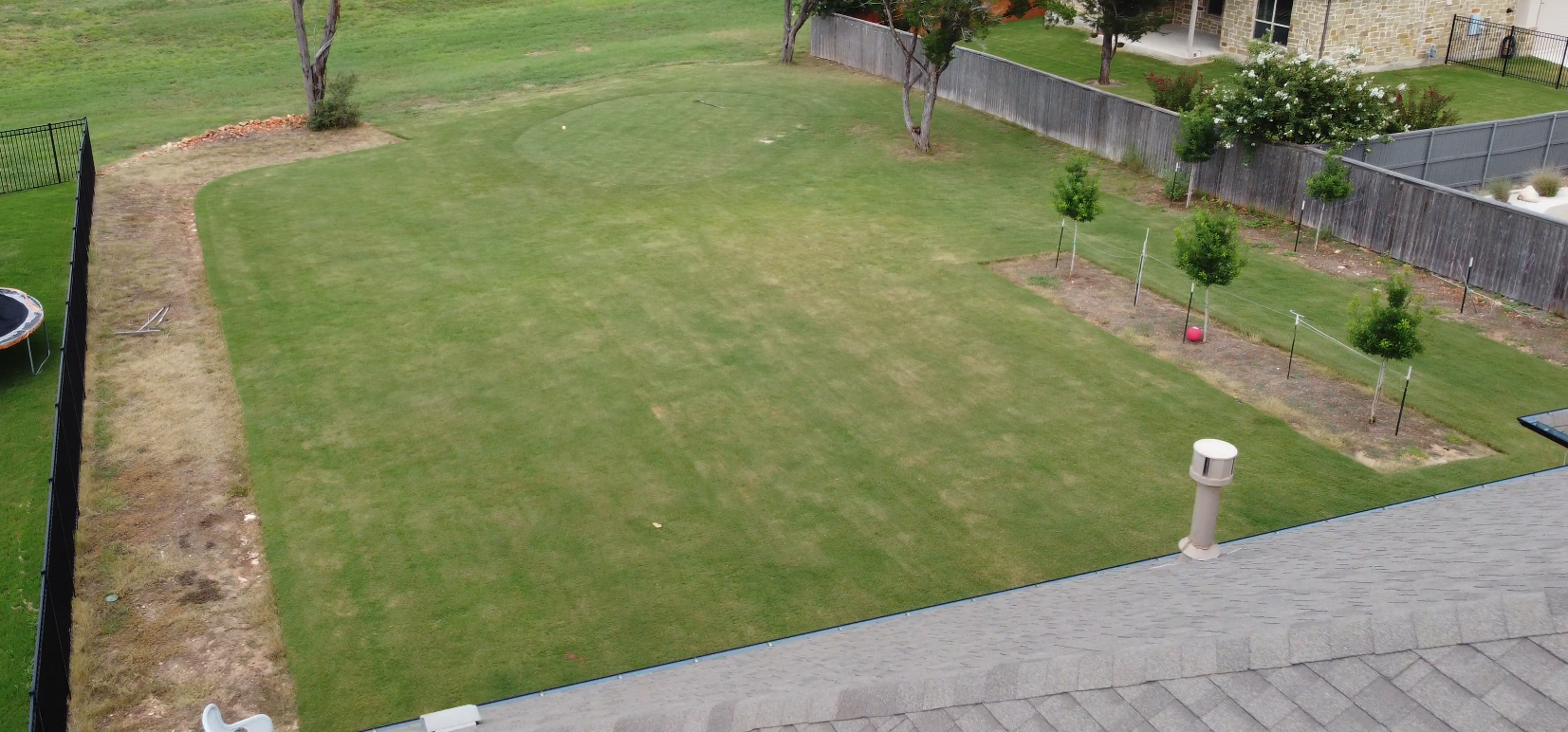
My Backyard is our backyard golf practice area / soccer field. It's a work in progress and hasn't had the full process of leveling and dialing like the front has. With it's size, there are tons of possibilities that we'll be working through in the future.
Maintaining as we can through the summer drought. It's in heat stress dormancy due to the heat and lack of water, but it's weed free.
Before & After
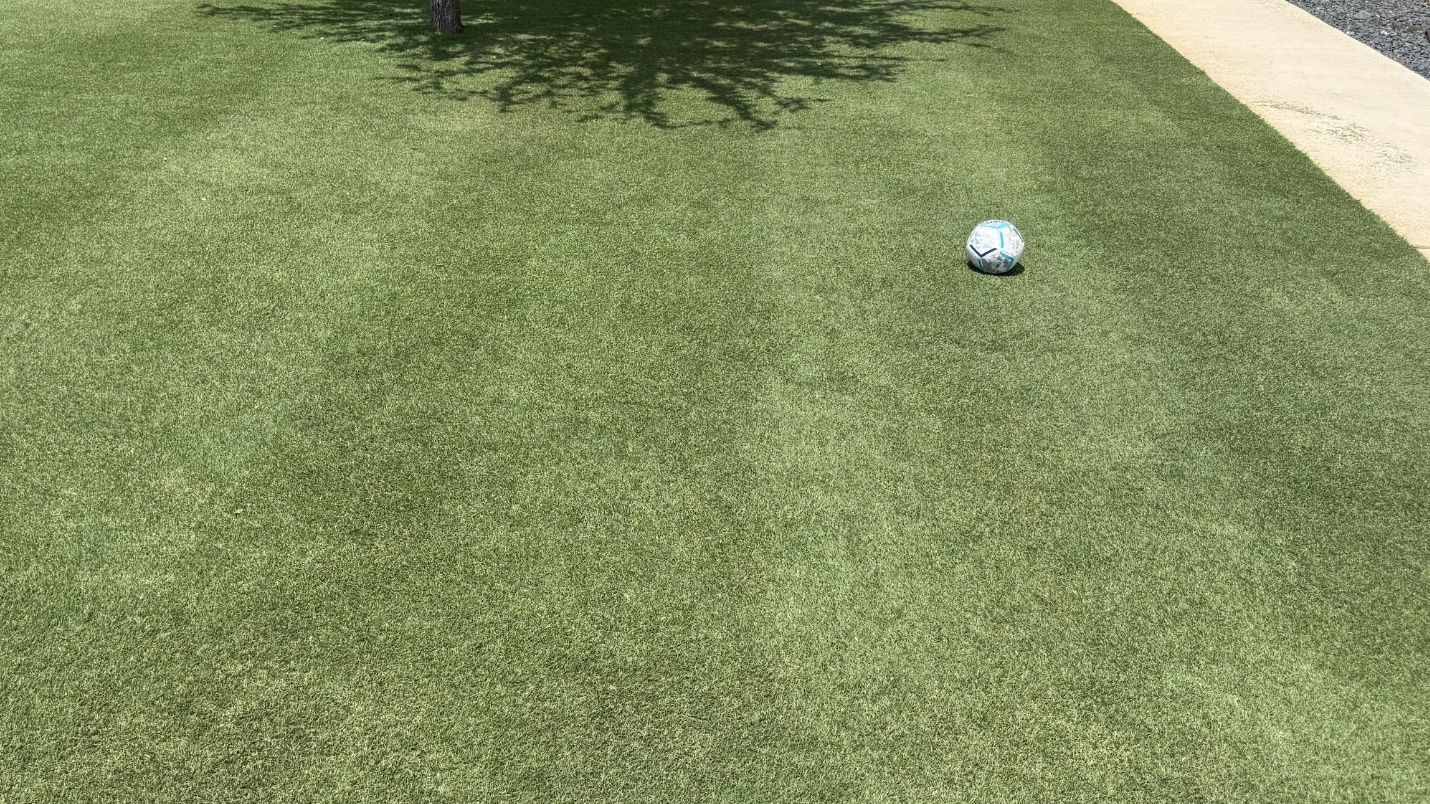
After spraying nitrogen and iron on my scalped lawn of 7 days... here are the 3 day results after spraying and letting the fertilizer sit on the leaves.
See the related record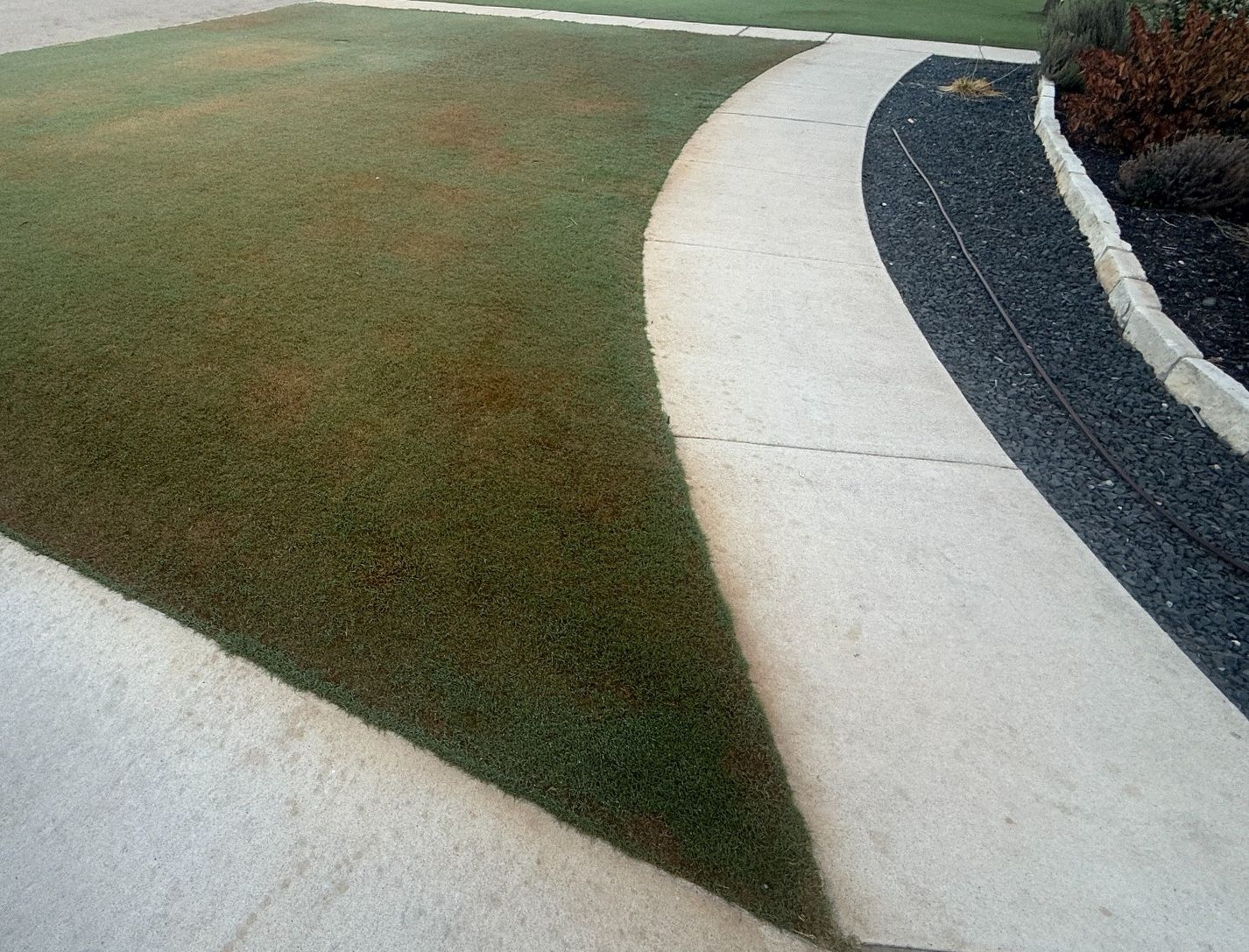
Latest articles
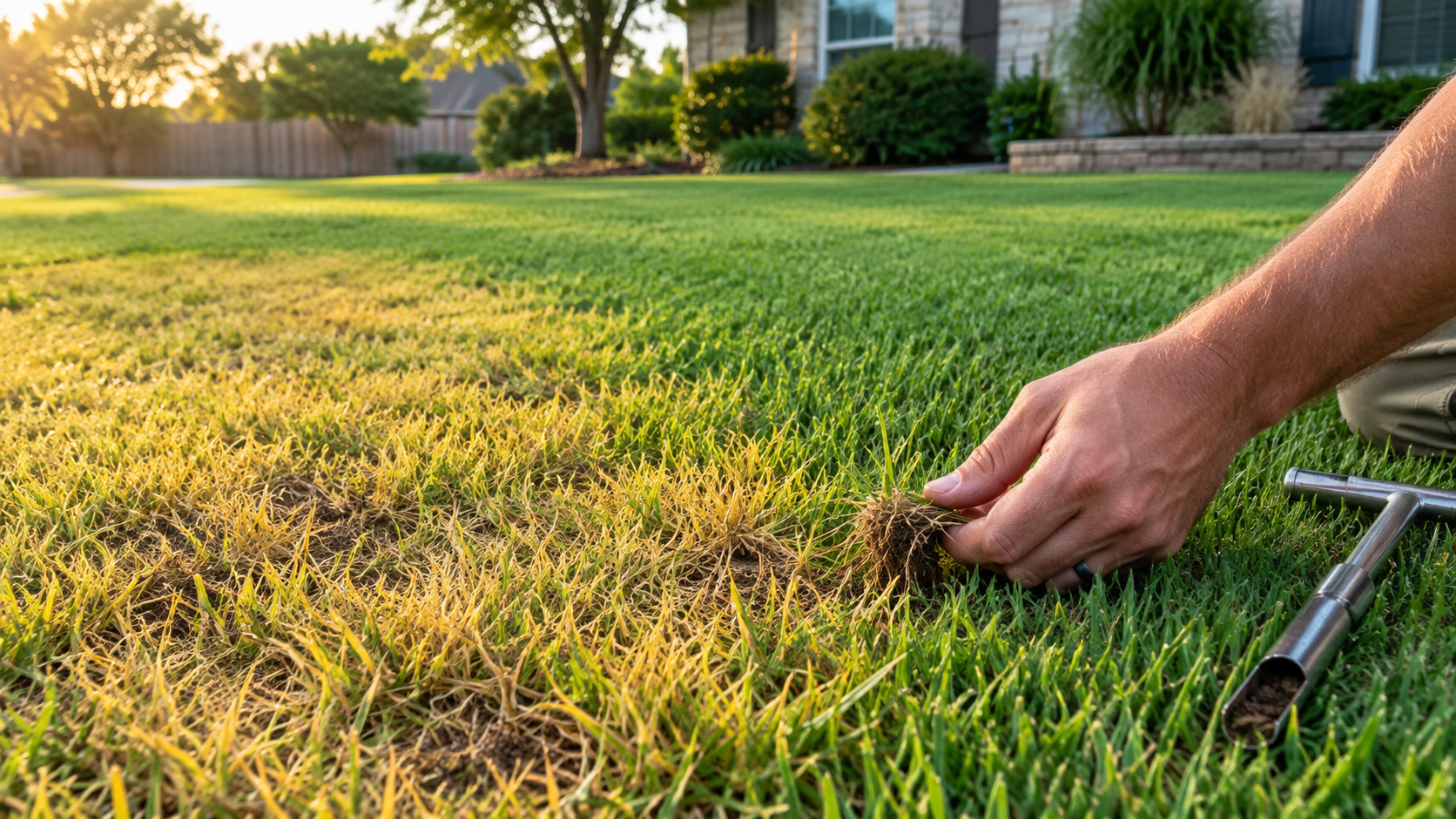
Yellow Bermuda grass isn't a diagnosis. It's a symptom, and the important part is figuring out what caused it before you start treating it. When Bermuda turns yellow, I like to work through the simple possibilities first: water, insects, disease, nutrients, mowing or chemical damage, and a few weird environmental problems that are surprisingly easy to miss. The shape of the yellow area, what the individual grass blades look like, what's happening below the soil, and when the problem appeared can usually narrow things down pretty quickly. The goal isn't to become a turf pathologist every time your lawn changes color. It's to slow down long enough to collect a few clues. In this guide, I'll walk through a simple diagnostic process you can use before you start buying products or applying treatments.
Read the guide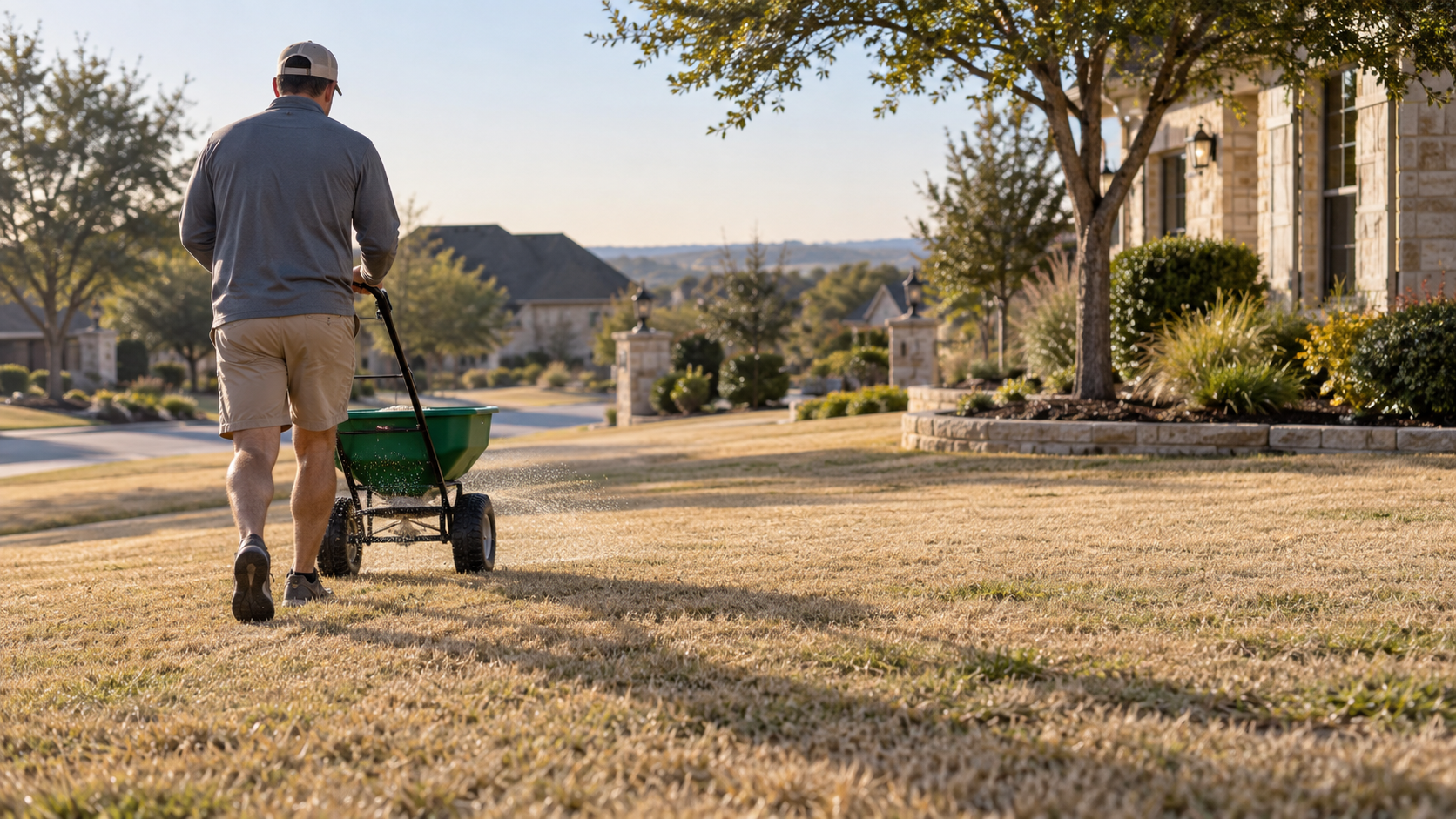
Time spring pre-emergent for an established Texas Bermuda lawn using target weeds, local conditions, product labels, calibration, and renovation restrictions.
Read the guide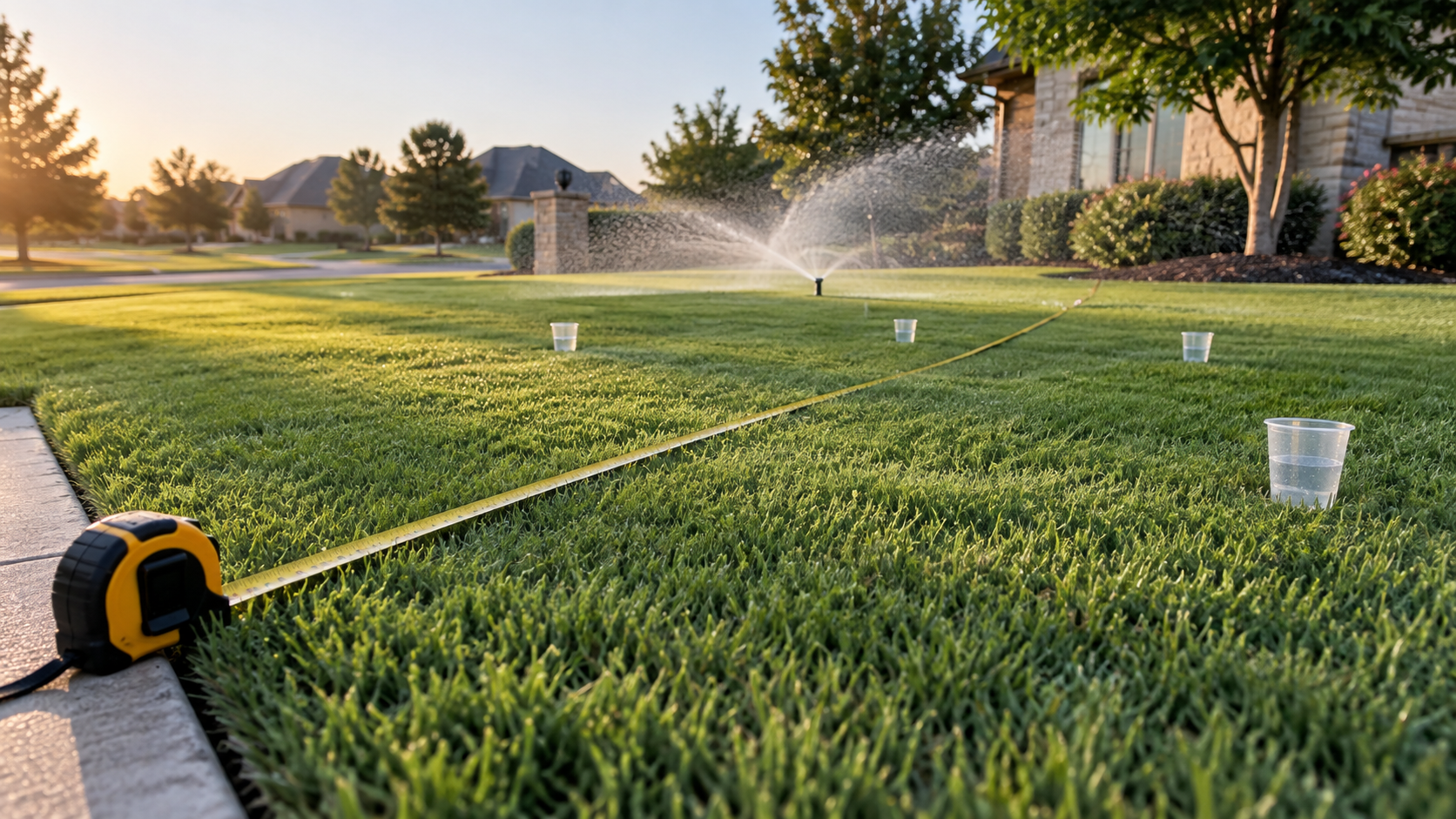
Knowing your lawn's square footage is one of those basic measurements that makes almost everything else easier. Fertilizer rates are commonly expressed per 1,000 square feet, product bags list coverage in square feet, and knowing the size of individual lawn sections helps you stop guessing about how much product you're actually applying. You can measure a simple lawn with a tape measure, break an irregular lawn into smaller shapes, or use satellite imagery from Google Maps or Google Earth to trace the turf from above. Then, when it comes to irrigation, pair that lawn map with a catch-can test to find out how much water your sprinklers are actually delivering. Once those numbers are known, fertilizer and watering become much more repeatable.
Read the guideStart with the system
Use the guide library to connect mowing, water, soil, nutrition, and prevention into one practical program.