Quick answer
Spoon feeding means dividing planned nutrients into smaller, more frequent applications. For Bermuda, it can provide steadier color and growth and let the manager respond to weather and mowing capacity instead of committing a large amount at once.
It is not permission to apply more fertilizer. Start with a locally appropriate seasonal nitrogen budget, subtract nitrogen already applied, and divide only the remainder across suitable active-growth dates.
Why smaller splits can help
Quick-release nitrogen becomes available rapidly. Smaller applications can reduce sudden shoot growth, clipping volume, burn risk, and the size of a mistake. They also create more decision points: if heat, drought, disease, or mowing limitations develop, the next application can be delayed.
The tradeoff is operational. More applications mean more chances for measuring, calibration, overlap, or recordkeeping errors. A controlled-release product may be more practical where frequent visits are unrealistic.
Build the schedule from a budget
First choose the seasonal pounds of actual nitrogen per 1,000 square feet from local Extension guidance. Subtract all nitrogen already delivered, including weed-and-feed products, soluble sprays, granular fertilizers, and other supplements. Divide the remainder into rates that comply with every product label.
Do not choose frequency first. Weekly or biweekly timing is only defensible when the calculated rate, release source, active-growth window, equipment accuracy, and maintenance goal all support it.
Granular and liquid can both work
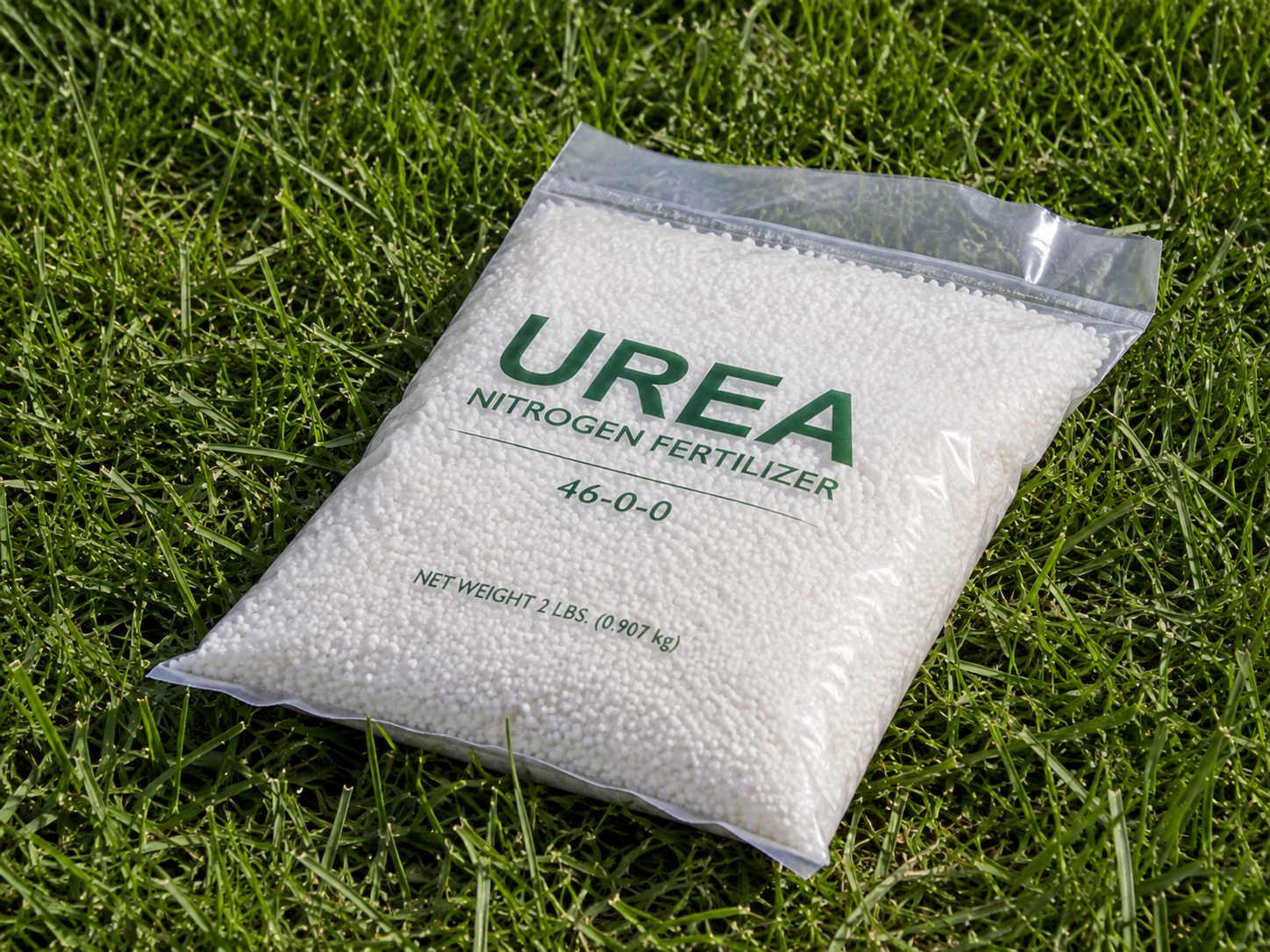
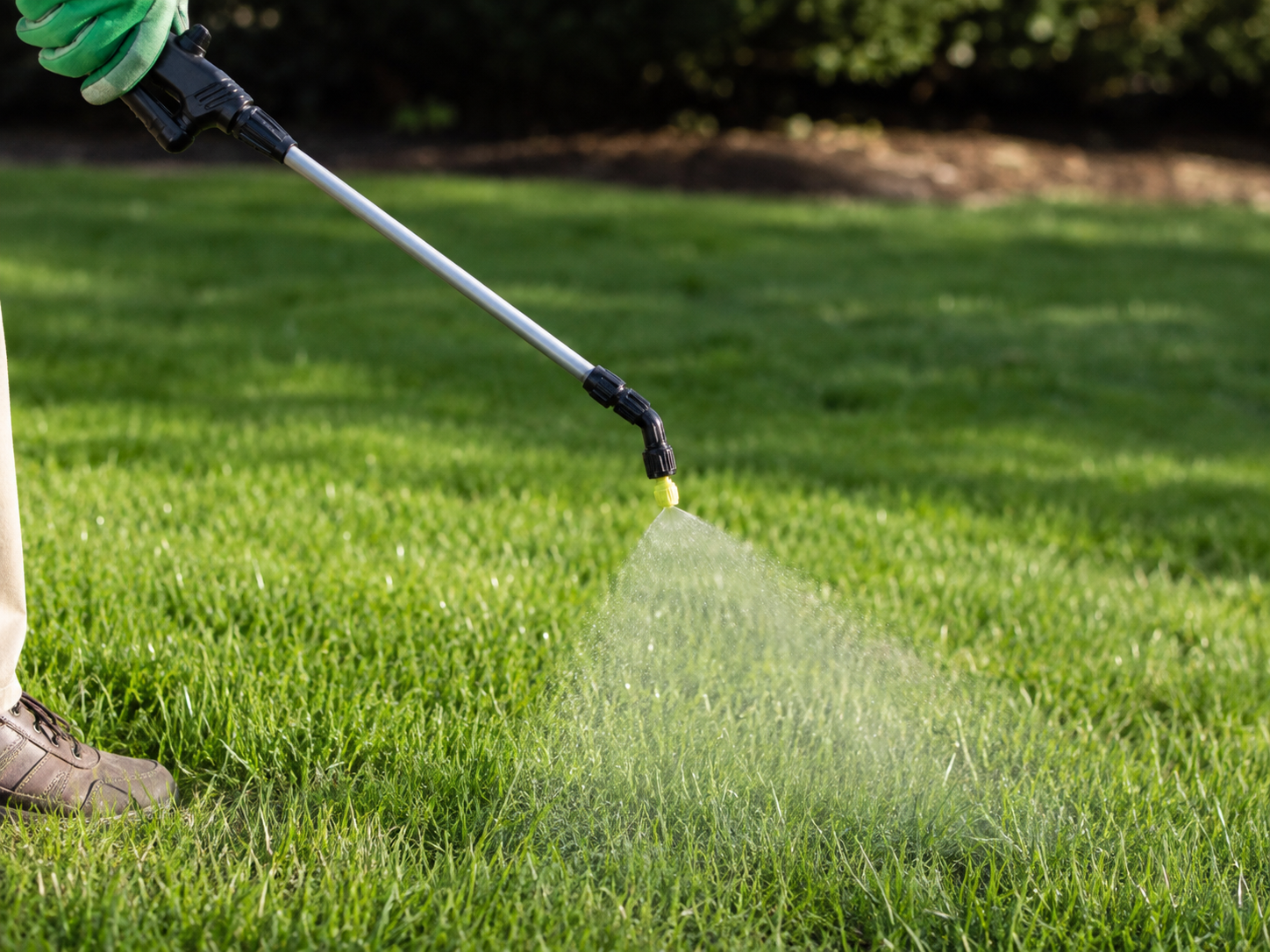
Spoon feeding describes the nutrient strategy, not the application form. A precisely weighed granular source can be split into small applications, and a calibrated sprayer can deliver a small liquid rate. The guaranteed analysis determines how much nutrient is present.
At very low granular rates, particle distribution may become uneven. With liquids, small measuring errors, nozzle variation, and overlap can materially change the dose. Select the method that can be calibrated and repeated on the property.
Know when to pause
Pause when Bermuda is dormant or stressed, when the soil is saturated, when heavy rain or drift is likely, or when growth already exceeds mowing capacity. Yellow color alone is not a reason to feed; inspect water, roots, light, mowing injury, disease, insects, and pH first.
End the program according to regional fall guidance. A frequent summer routine should not roll automatically into cooling weather and dormancy.
Make it an observable experiment
Compare schedules only when seasonal nitrogen, product source, area, irrigation, mowing height, and weather are documented. Otherwise a greener plot may simply have received more nitrogen or water.
Record application rate, color, growth, mowing frequency, clipping volume, stress, disease, and duration of response. The useful result is not that spoon feeding always wins; it is when the added precision and labor improve this lawn's outcome.