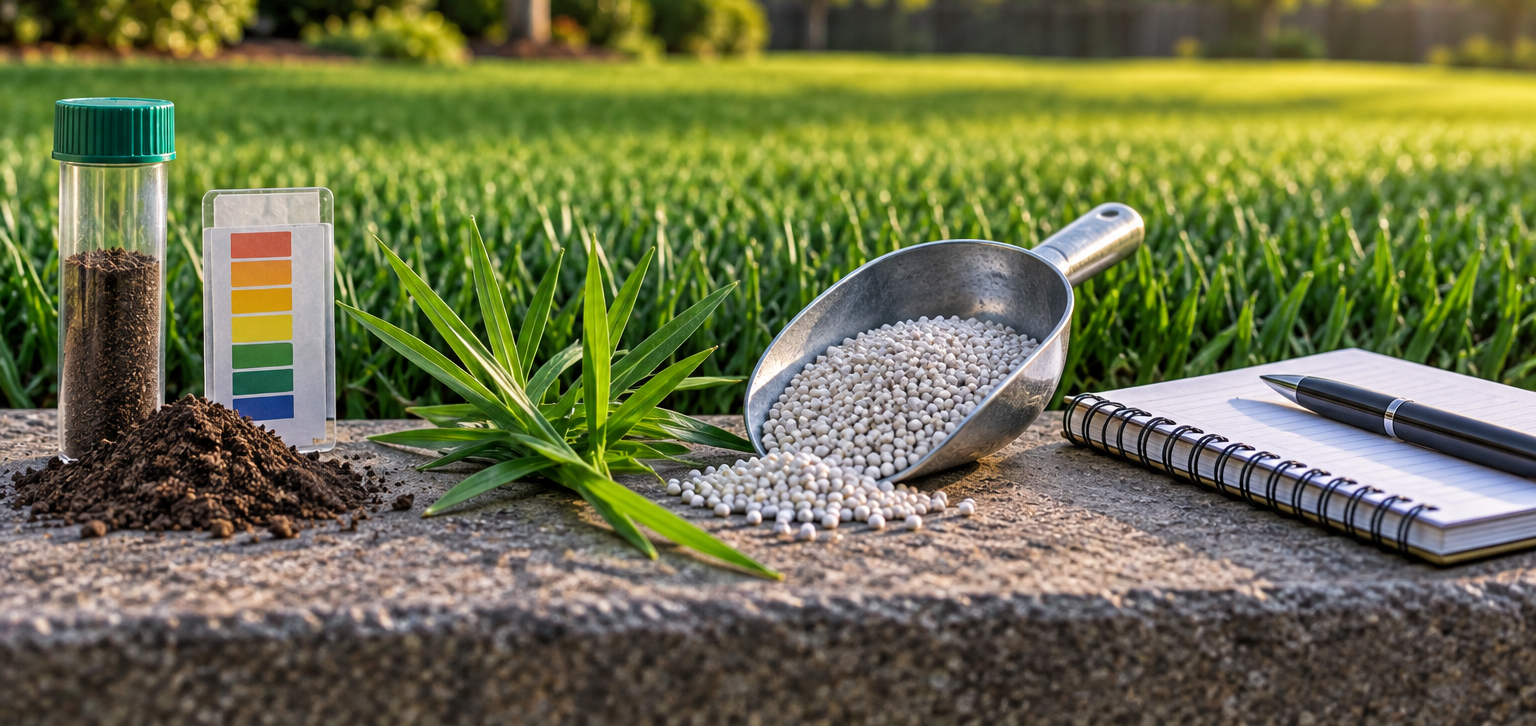
Quick answer
A laboratory soil test should change product selection and amendment decisions, not simply produce a shopping list. It can identify pH and measured nutrient conditions, then pair those results with region- and turf-specific recommendations.
Use it to decide whether phosphorus, potassium, lime, sulfur, or other reported nutrients are justified. Build the Bermuda nitrogen schedule separately from grass needs, local guidance, active growth, clipping return, soil, irrigation, and maintenance goals.
Sample the lawn you actually manage
Separate areas with different soil, drainage, history, turf performance, or management. Do not combine a troubled low spot with a healthy front lawn and expect one average to explain both. Avoid recently fertilized spots, compost piles, pet areas, and other anomalies unless they are the target of a separate sample.
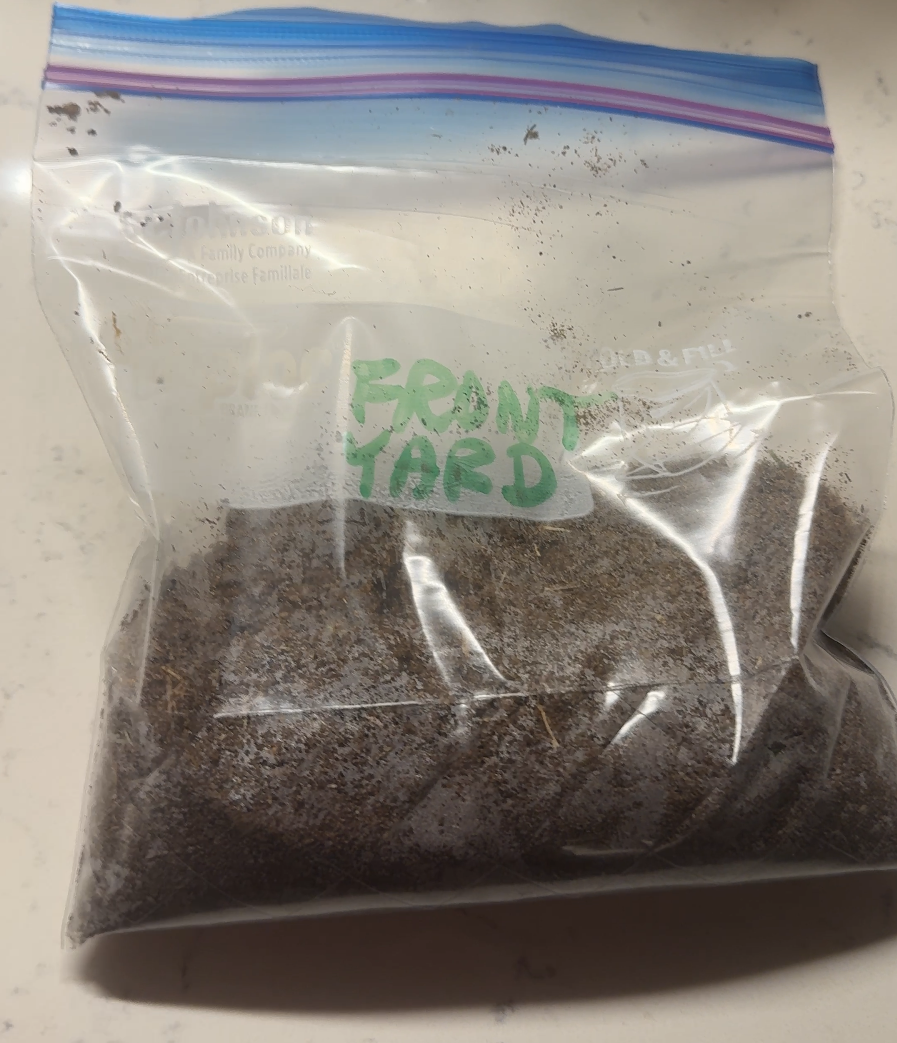
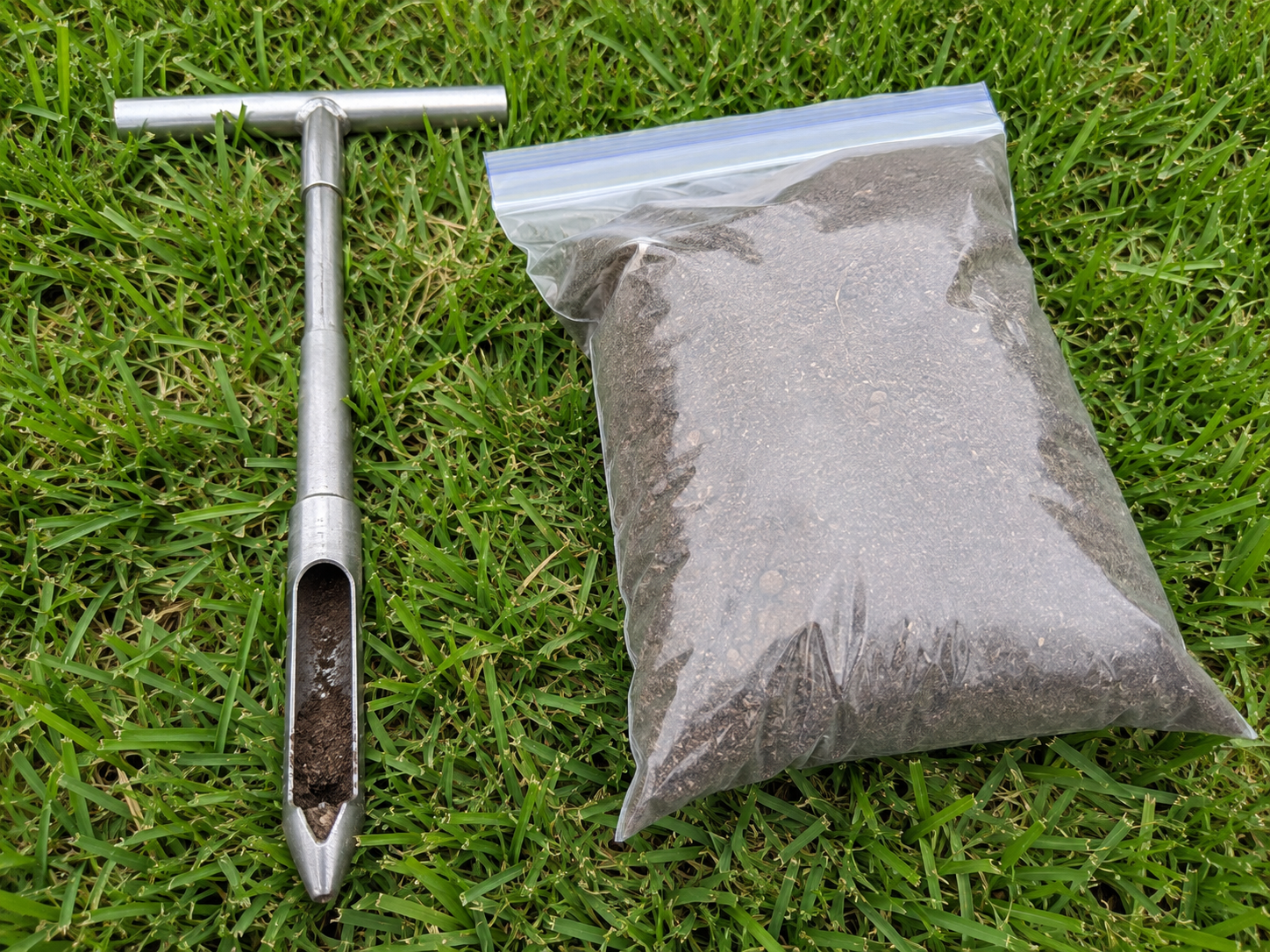
Follow the chosen laboratory's exact depth and submission instructions. Collect multiple cores in a random pattern, remove surface debris, combine them in a clean container, and submit the required representative amount.
Read results and recommendations separately
The results describe what the laboratory measured using its method. The recommendation interprets those values for the crop, region, and goal entered on the form. A number labeled high or low without its laboratory scale and crop context can be misleading.
Check pH, buffer information where provided, phosphorus, potassium, and other reported nutrients. Confirm whether recommendations are expressed as nutrient, fertilizer product, pounds per 1,000 square feet, or pounds per acre before calculating.
Change the fertilizer grade
If phosphorus is sufficient or high, select a zero-phosphate product unless a labeled establishment need or professional recommendation says otherwise. If potassium is deficient, choose a source and rate that supplies the recommended potash without accidentally exceeding nitrogen or phosphorus targets.
A single blended product may not match every recommendation. Separate nutrient sources can sometimes deliver the requested amounts more precisely, but each must be calculated, labeled for turf, and applied safely.
Treat pH as a long-term decision
Apply lime or acidifying amendments only from a supported recommendation. Soil texture, calcium carbonate, buffer capacity, material fineness, and amendment chemistry affect the amount and speed of change. Surface applications to established turf may take months or years to shift the root zone.
Do not stack multiple pH products because the first application did not create an immediate visual response. Retest on the laboratory's recommended interval and keep treatment zones consistent.
What the test does not diagnose alone
A routine soil test does not rule out poor irrigation, compaction, shade, disease, insects, mowing injury, or root loss. It also does not replace a seasonal nitrogen plan; available soil nitrogen changes rapidly and is handled differently among laboratories.
Use tissue analysis, irrigation checks, physical soil inspection, pest diagnosis, or local Extension support when the lawn's symptoms do not match the report.
Turn the report into a record
- Map and name each management zone.
- Save the sampling method, date, depth, and laboratory report.
- Translate recommendations into actual nutrient amounts.
- Select labeled products that fit those amounts.
- Log what was actually applied, not merely planned.
- Observe the lawn through active growth.
- Retest comparable zones and compare trends.